Birdwatching
Birdwatching in Peru and Arequipa
Peru is one of the countries with the greatest bird diversity in the world. Between 1,879 and 1,925 bird species have been recorded, depending on the source and taxonomic criteria used, placing the country second or third worldwide in bird diversity.
Updated Data for Peru (2026)
- Most complete official list (March 2026): 1,925 recorded species.
- Resident species: approximately 1,552.
- Endemic species: around 119.
- Boreal migratory species: about 140.
- Vagrant species: approximately 90.
- Introduced species: 3.
- Fully confirmed species: between 1,897 and 1,904.
Various sources, such as SERNANP, Avibase, and specialized publications, usually mention between 1,879 and 1,897 confirmed species. This represents nearly 20% of all bird species on Earth.
Highlights of Peruvian Avifauna
Category | Approximate Number |
Total species | 1,879 – 1,925 |
Endemic to Peru | 117 – 120 |
Threatened species | 80 – 85 |
Migratory species | More than 200 |
Peru is especially notable for its endemic species, including numerous hummingbirds, tyrant flycatchers, tanagers, and species adapted to the Andes and the Amazon. The country is also a key point along the Pacific migratory route.
The Avifauna of Arequipa
In the Arequipa region, approximately 360 to 379 bird species have been recorded, representing nearly 20% of Peru’s total bird diversity.
Updated Data for Arequipa
- Official annotated list (2019): 374 species.
- Recent update (2025): 379 confirmed species.
- Avibase: around 360 species.
- eBird: approximately 339 actively recorded native and naturalized species.
The number continues to grow thanks to new records and the increasing development of birdwatching in the region.
Diversity of Habitats in Arequipa
Arequipa possesses an extraordinary variety of ecosystems:
Habitat | Approximate Number of Species | Examples |
Coast and wetlands (Lagunas de Mejía) | 200 – 212 | Flamingos, shorebirds, herons, pelicans |
Altiplano and puna (Laguna Salinas) | 150 – 160 | Andean flamingos, Andean geese, Andean ducks |
Valleys and western slopes | 150 – 160 | Hummingbirds, tyrant flycatchers, tanagers |
Andean canyons (Colca) | More than 130 | Andean condor, eagles, hawks |
Main Birdwatching Sites
Lagunas de Mejía National Sanctuary
Located in the province of Islay, near Mollendo, this sanctuary is the most important coastal wetland in Arequipa and one of the most significant along the Peruvian coast.
Main Features
- More than 200 recorded species.
- Key refuge for migratory birds along the Pacific Flyway.
- Presence of flamingos, Peruvian pelicans, shorebirds, skimmers, herons, and endemic species such as the Slender-billed Finch.
- During migration seasons, thousands of waterbirds can be observed.
It is considered the best birdwatching site in Arequipa for coastal wetlands.
Laguna de Salinas
Located within the Salinas y Aguada Blanca National Reserve at over 4,300 meters above sea level, surrounded by volcanoes such as Misti, Pichu Pichu, and Ubinas.
Highlights
- Presence of the three South American flamingo species:
- Andean Flamingo,
- Chilean Flamingo,
- James’s Flamingo (Parihuana).
- Important Ramsar wetland site.
- Large concentrations of aquatic birds during the rainy season.
- Spectacular puna and volcanic landscapes.
Besides birds, vicuñas, alpacas, and llamas are commonly observed.
Other Important Wetlands
- Camaná wetlands.
- El Chiflón wetland.
- Chaviña wetlands (Caravelí), recently recognized for conservation and sustainable tourism.
Other Outstanding Birdwatching Destinations in Arequipa
Colca Valley and Colca Canyon
The Colca Valley and Colca Canyon are among Peru’s most important nature destinations. In addition to their landscapes and traditional culture, they host a remarkable diversity of Andean birds.
Notable Birds
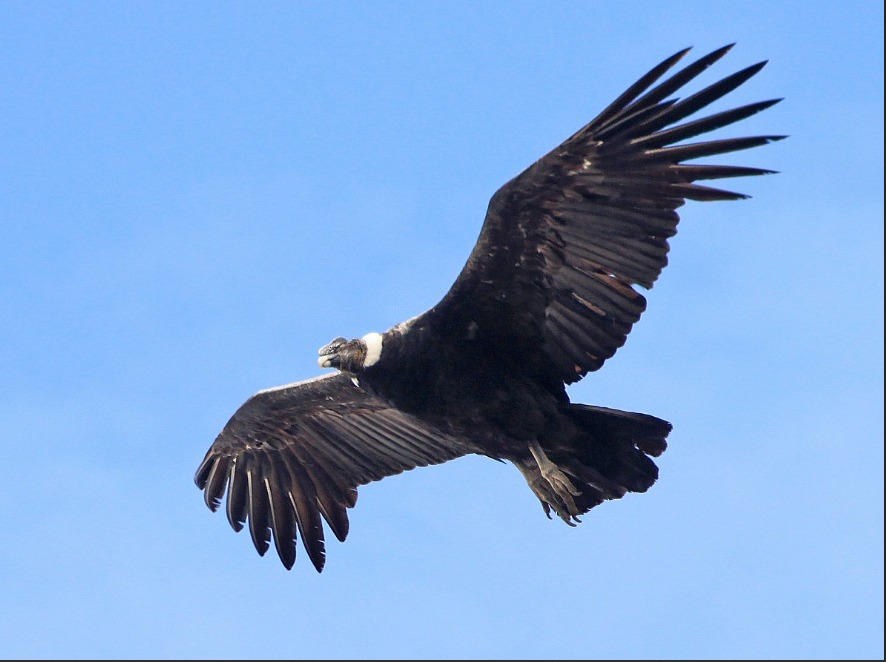
- Andean Condor (symbol of Colca).
- Black-chested Buzzard-Eagle.
- Kestrels and hawks.
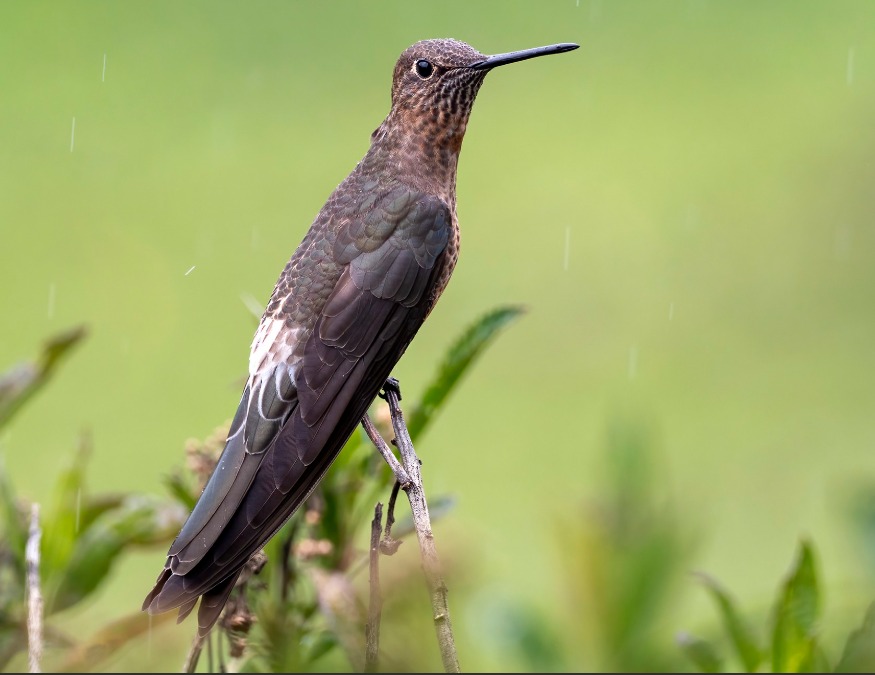
- Giant Hummingbird.
- Andean Geese.
- Andean ducks.
- Miners, earthcreepers, and other puna and inter-Andean canyon species.
More than 130 bird species have been recorded in the Colca area. The best observation sites include:
- Cruz del Cóndor.
- Tapay and the canyon floor.
- Pinchollo and Maca valleys.
- Wetlands and bofedales near Tuti and Sibayo.
The combination of pre-Hispanic agricultural terraces, deep canyons, and high Andean ecosystems creates ideal habitats for resident and migratory birds.
Cotahuasi Canyon
Cotahuasi Canyon, considered one of the deepest canyons in the world, remains relatively unexplored for birdwatching and possesses enormous biological potential.
Characteristics
- Ecosystems ranging from deserts and temperate valleys to high Andean puna.
- Presence of Andean condors.
- Diversity of hummingbirds and canyon birds.
- Important populations of raptors and species associated with cacti and dry inter-Andean forests.
The Cotahuasi Sub-basin Landscape Reserve protects much of this biodiversity. Due to its relative isolation, many areas remain exceptionally well preserved.
Queñua Forests of Chiguata
The district of Chiguata, located on the slopes of Misti Volcano, preserves important remnants of Andean queñua (Polylepis) forests, one of the most valuable ecosystems for high Andean birds.
Notable Birds
- White-browed Tit-Spinetail.
- Canasteros.
- Conebills.
- High Andean hummingbirds.
- Earthcreepers and puna finches.
Queñua forests are considered ecological islands that are essential for many specialized Andean species.
In addition, Chiguata offers:
- Spectacular volcanic landscapes.
- Nature hiking opportunities.
- An excellent combination of rural tourism and birdwatching.
Birds in Arequipa: Endemic, Migratory, and More
Arequipa is a region remarkably rich in birdlife despite its extensive desert and high Andean landscapes. According to recent studies, such as the book Birds of Arequipa by researchers from UNSA, around 379 bird species have been recorded, representing approximately 20% of all bird species found in Peru.
Endemic Birds
(Unique to Peru, many of them found in Arequipa)
Arequipa is home to approximately 14 to 15 endemic bird species of Peru. These are mainly found in areas such as the Colca Canyon, Cotahuasi, inter-Andean valleys, and coastal lomas ecosystems.
Some notable species
- Cactus Canastero (Pseudasthenes cactorum) — typical of arid areas with cacti.
- Black-necked Woodpecker (Colaptes atricollis) — commonly observed in the Colca region.
- Bronze-tailed Comet (Polyonymus caroli) — endemic hummingbird of southern Peru.
- Various species of high-Andean hummingbirds.
- Rusty-bellied Brushfinch.
- Chestnut-crowned Tit-Spinetail.
- White-cheeked Cotinga.
- Other species associated with coastal lomas and high Andean ecosystems.
In Cotahuasi, seven endemic species were recorded in a single study. In the Colca region, the Andean Condor stands out, although it is not strictly endemic.
Migratory Birds
The Lagunas de Mejía National Sanctuary, located near the coast, is the main hotspot for migratory birds in Arequipa. More than 140 species have been recorded there, around 57 of which are migratory.
Types of migratory birds
- Boreal migrants
Arrive from North America during the austral winter. These include sandpipers, curlews, plovers, gulls, and other coastal birds. Approximately 34 species come from the United States and Canada. - Austral migrants
Species arriving from southern South America. - Regional migrants
Birds moving seasonally from other parts of Peru and South America.
This sanctuary is considered a key refuge along the Pacific migratory flyway.
According to recent annotated lists, the area includes approximately:
- 216 resident species,
- 53 boreal migratory species,
- 38 austral migratory species,
- as well as occasional and accidental visitors.
Other Emblematic Birds
- Andean Condor (Vultur gryphus) — symbol of the Colca Canyon.
- Andean Flamingos — found in Salinas and Aguada Blanca.
- Hummingbirds such as Patagona gigas, the largest hummingbird in the world.
- Birds of puna grasslands, Polylepis forests, and high Andean wetlands: ducks, coots, and other aquatic birds.
- Common resident species: vultures, herons, ducks, and valley birds.
Best Birdwatching Sites in Arequipa
Lagunas de Mejía
Ideal for migratory and coastal birds.
Colca Canyon
Excellent for observing condors and endemic species.
Cotahuasi Sub-basin Landscape Reserve
High bird diversity and important endemic species.
Salinas y Aguada Blanca National Reserve
Flamingos, puna birds, and spectacular volcanic scenery.
Sogay and surroundings of Arequipa
Good location for observing hummingbirds and valley birds.
Majes Valley and coastal lomas
Important for birds adapted to arid and coastal environments.
Arequipa combines coastlines, deserts, valleys, volcanoes, puna grasslands, and deep canyons, making it one of the most attractive destinations in Peru for birdwatching and nature tourism.
Birdwatching Tips
Best Seasons
- Coast and wetlands: May to October.
- Altiplano and high Andean lagoons: December to March.
- Boreal migratory birds: September to March.
Recommended Equipment
- Binoculars.
- Camera or spotting scope.
- Bird guidebook or apps such as eBird.
- Sun protection and clothing suitable for cold or windy conditions.
Importance of Conservation
The wetlands and ecosystems of Arequipa are essential for many resident and migratory species. Protecting these areas contributes both to biodiversity conservation and to the development of sustainable tourism.
Arequipa uniquely combines birdwatching with volcanic landscapes, coastal wetlands, Andean canyons, and high-altitude lagoons, making it one of the most attractive destinations for nature tourism in southern Peru.
Importance of Arequipa for Birdwatching
The Arequipa region stands out because it concentrates, within relatively short distances:
- Coastal wetlands.
- Inter-Andean valleys.
- High Andean forests.
- Puna grasslands and salt flats.
- Deep canyons.
- Volcanic ecosystems.
This allows visitors to observe coastal, migratory, and high Andean species in a single journey, making Arequipa one of the most diverse birdwatching destinations in southern Peru.
Poner el face: https://www.facebook.com/profile.php?id=100057388092695